- Focus on trauma
- Goal oriented
- Warm non-judgmental style
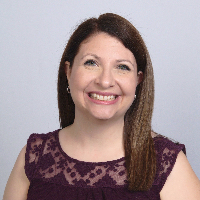
About Julie
She has worked in nonprofit settings, a residential crisis stabilization unit, a community mental health agency, and private practice. That range means she has supported people through sudden crises and longer-term life transitions. She also has specific experience with body-focused repetitive behaviors, including trichotillomania and skin picking.
Julie’s approach is warm and non-judgmental. She blends cognitive-behavioral, psychodynamic, and solution-focused techniques to create practical plans. Sessions aim to identify patterns, build coping skills, and set small measurable goals that fit day-to-day life.
Julie views counseling as a collaboration where the person in therapy is the expert on their life. She works to tailor conversation and plans to each person’s needs and priorities. The focus is on realistic steps people can try between sessions.
If someone feels ready to make a change, she offers supportive guidance and straightforward tools to help them move forward. She welcomes people who are looking for clear goals and steady support through difficult moments and life changes.
Therapeutic approaches and online care
Julie integrates cognitive-behavioral techniques to help people notice unhelpful thinking and build specific coping skills. This approach often includes practice between sessions, such as trying new behaviors or thought-record exercises, and can help with anxiety, depression, and stress-related problems.She also uses psychodynamic ideas to look at patterns that repeat over time and how past experiences influence present reactions. This can help someone understand why certain feelings or behaviors recur and open paths to longer-term change.
Solution-focused methods are used to set small, achievable goals and swiftly identify what is working. Those techniques are practical and action-oriented, helping people make gradual improvements without waiting for insight alone.
Finding the right mix of approaches is part of the work together. The therapist will collaborate with each person to choose methods that match their needs, goals, and preferences, and may adjust the plan as progress is seen.
Specific online session formats were not detailed in the biography, so confirm available options before scheduling. Online work can make it easier to fit sessions into a busy week, allow shorter check-ins when needed, and avoid travel time. When formats are arranged, practical choices can be made about how to schedule sessions so therapy fits into everyday life.
Frequently asked questions
What kinds of concerns are addressed?
She helps people with stress, anxiety, depression, grief, trauma and abuse, relationship and family challenges, career issues, addictions, self-esteem, LGBT concerns, and bipolar disorder.
How would you describe her therapeutic style?
Her style is warm and non-judgmental. She works collaboratively and focuses on practical goals and coping strategies.
What is her professional background?
Julie has three years of counseling experience in nonprofit, residential crisis, community mental health, and private practice settings, plus nearly 20 years in other professional fields.
What credentials and region are listed?
She holds LMHC (Licensed Mental Health Counselor) in Florida and LPC (Licensed Professional Counselor) in Virginia, and practices from Florida.
Which languages are supported and can international clients connect?
Sessions are offered in English and she accepts international clients.
What session formats are available?
The original biography does not list specific session formats; please confirm current session options before booking.
How is cost handled for sessions?
Cost varies with location and therapist availability, and sessions use a subscription that can be canceled at any time.
What are the steps to begin working together?
Use the Start Therapy button, complete a short matching questionnaire, and schedule a session according to the therapist's availability.