- Trauma and abuse
- Spanish and English
- Practical coping skills
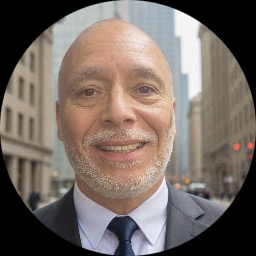
About Jorge
He works with a wide range of concerns including stress, anxiety, depression, addictions, sleep problems, grief, and trauma and abuse. He also supports people facing life transitions, career strain, and issues with self-esteem or anger. Sessions emphasize understanding the person first, not just the problem.
In sessions he combines clear, goal-oriented tools with listening and reflection. He uses client-centered techniques to follow each person's priorities, cognitive behavioral tools to spot unhelpful thinking, and dialetical behavior approaches to build coping skills. Mindfulness and motivational interviewing are added when they fit the client’s goals.
Jorge aims to help people develop everyday skills they can use outside sessions. That can mean practicing new ways to talk about feelings, learning breathing and grounding techniques for anxiety, or creating plans to manage sleep and cravings. Progress is tracked in practical, measurable steps.
People who prefer direct guidance alongside a supportive presence tend to work well with his style. He emphasizes cultural context and individual history when shaping treatment. To start, prospective clients are asked to complete a short matching questionnaire and schedule a session based on availability.
How therapeutic approaches translate to online care
Client-centered work means the therapist follows the client's lead, listens closely, and shapes sessions around what matters most to the person. This approach helps when someone needs a flexible pace and space to talk about sensitive topics like trauma and abuse.Cognitive Behavioral Therapy, or CBT, focuses on identifying unhelpful thoughts and testing different behaviors. It is useful for anxiety, depression, sleep problems, and many everyday stressors because it gives clear exercises and steps to practice between sessions.
Dialectical Behavior Therapy, or DBT, teaches practical emotion regulation, distress tolerance, and interpersonal skills. It can help people manage intense emotions, reduce impulsive reactions, and handle relationship strain more effectively.
Choosing the right approach is a shared process. The therapist will discuss goals, try methods that fit those goals, and adjust based on what helps. Clients are invited to give feedback and shape the plan as therapy continues.
If you are considering online work, please confirm available session formats before booking since formats are not specified here. Online sessions can make it easier to fit meetings into a busy schedule, reduce travel time, and allow shorter check-ins when needed. Many people find that regular, brief sessions and clear homework exercises transfer well to everyday life.
Frequently asked questions
What issues does this therapist help with?
He helps people with stress, anxiety, depression, addictions, sleep problems, grief, trauma and abuse, and related concerns like self-esteem and anger.
What is his therapy style like?
His style mixes listening with practical tools. He uses goal-focused work alongside supportive, client-centered conversation.
How long has he practiced?
He has twenty years of experience as a licensed clinician working with a broad range of concerns.
Where is he licensed and based?
He is a Florida LMHC and practices in Florida.
Which languages are sessions offered in?
Sessions are offered in English and Spanish.
Can people outside the U.S. work with him?
International clients are not currently accepted.
How does payment work?
Cost varies with location and therapist availability, and sessions use a subscription that can be canceled at any time.
How do I begin working with him?
Select the Start Therapy button, complete a short matching questionnaire, and then schedule according to the therapist's availability.