- Relationship struggles
- Trauma and abuse
- Career and life purpose
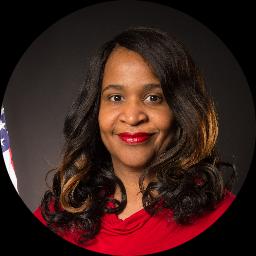
About Fanita
She listens for patterns that keep problems repeating and helps clients try different ways of relating and responding. Sessions often include practical skills for managing emotion, improving communication, and setting boundaries. The goal is to make daily life easier and relationships more reliable.
Fanita pays attention to cultural background and to how life transitions change what people need from therapy. She also supports people facing caregiver strain, blended family tensions, divorce or separation, and the fallout from infidelity or domestic violence. She frames these issues as manageable problems rather than permanent labels.
Her work includes helping people cope after natural or human-caused disasters, process guilt and shame, and address anger or impulsivity. She also offers coaching-style guidance for career shifts and finding stronger life direction. Each plan is built around the client’s goals and pace.
Sessions are collaborative and focused on concrete change. Fanita encourages practical homework between meetings so progress continues outside the room. People who want straightforward help sorting relationship issues or healing from past hurt often find this a useful way forward.
How therapeutic approaches guide online work
Fanita uses well-established, evidence-based therapeutic techniques that focus on real-world change. One common approach she draws on helps people learn skills for managing intense emotions and reducing reactivity; this is useful for anxiety, anger, and impulse control. Another approach centers on improving communication and relationship patterns by identifying repeated interaction cycles and practicing new responses to change those cycles.Finding the right approach is part of the work. The therapist and client decide together which methods fit best based on the client’s goals, history, and preferences. That collaborative process may include trying one method for a few sessions and adjusting as progress unfolds.
If you are considering online therapy, confirm which session formats are offered before booking since the biography does not list them. Online work can make therapy easier to fit into a busy week, reduce travel time, and allow shorter check-ins when a full session is not needed. It can also let people meet from a location with fewer distractions or choose an option that does not require video when bandwidth or comfort is a concern. Licensed professionals can use these options to help clients maintain steady progress while balancing everyday life.
Frequently asked questions
What kinds of problems does she help with?
She works with relationship and intimacy problems, stress and anxiety, trauma and abuse, and life transitions like divorce or career change.
What is her general therapy style?
Her style is warm and direct, focused on practical steps and clearer communication. She mixes coaching with therapeutic work to help clients try new behaviors between sessions.
How much experience does she have?
She has 25 years of clinical experience working with people facing complex life and relationship challenges.
What credentials and location are listed?
She is an LSCSW in Maryland and carries that credential when offering clinical services in the state.
Which languages are supported and are international clients accepted?
Sessions are offered in English and international clients are not currently accepted.
What session formats are available?
The original biography does not specify session formats; please confirm current session options with the platform before booking.
How does payment and cost work?
Cost varies with location and therapist availability, and sessions use a subscription that can be canceled at any time.
How do I begin working with her?
Use the Start Therapy button, complete a short matching questionnaire, and schedule according to the therapist’s availability.