- Compassionate care
- Practical tools
- Faith-informed
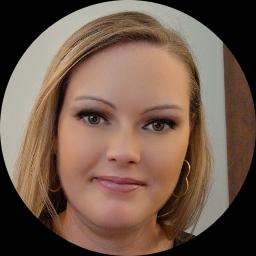
About Elizabeth
She focuses on everyday challenges like social anxiety, isolation, and trouble communicating with others. She also supports people coping with dissociation, post-traumatic stress, sexual assault and abuse, and struggles related to substance use or domestic violence. Sessions aim to make overwhelming problems feel more manageable with step-by-step strategies.
Elizabeth brings six years of clinical experience and holds the credentials LMHC and LPCC, listed for Florida and Ohio licensing as applicable. She describes her style as compassionate and faith-informed, and she incorporates clients' values into the work when requested. This helps tailor care to each person’s needs and beliefs.
Clients can expect a collaborative process that balances short-term goals and longer-term healing. Practical tools and intentional reflection are combined so people leave sessions with clearer next steps. The emphasis is on gradual change and stronger coping skills for daily life.
To get started, prospective clients use the Start Therapy button, complete a short matching questionnaire, and schedule according to therapist availability. Sessions use a subscription model that can be canceled at any time.
Approaches that guide online work
Elizabeth uses evidence-based therapeutic techniques delivered with a faith-informed perspective. One common approach focuses on building coping skills and emotional regulation through direct exercises and homework. This helps with anxiety, stress, and symptom management by giving people concrete strategies to try between sessions.Another approach centers on trauma recovery and processing past harm in manageable steps. Work like this emphasizes safety, pacing, and building resources so memories and reactions become easier to tolerate over time. This can be helpful for people dealing with post-traumatic stress, dissociation, or sexual assault and abuse recovery.
Finding the right approach is a collaborative process. The therapist will discuss goals, preferences, and what feels most helpful, then adjust techniques as work progresses. Clients are invited to share their values and faith perspectives when shaping the plan.
Confirm session formats before booking to know what is available. Online care can make it easier to fit therapy into a busy life by removing commute time and allowing appointments from different locations. Phone or video-style sessions can reduce the need to travel, allow a shorter check-in if time is limited, and make scheduling more flexible while keeping the therapeutic focus on progress and coping skills.
Frequently asked questions
What concerns does she address?
She helps people with stress, anxiety, depression, grief, relationship strain, and trauma and abuse. Additional focus areas include substance concerns, domestic violence, social anxiety, and communication problems.
How would you describe her therapeutic style?
Her approach is compassionate and faith-informed, with a focus on practical tools and steady progress. She blends reflection with actionable steps so people can try changes between sessions.
What is her clinical background?
She has six years of experience working with people facing complex emotional issues and recovery from trauma.
Which credentials and location are listed?
She holds LMHC and LPCC credentials and practices in Florida. Licence details include FL LMHC and OH LPCC as provided.
In which languages can sessions be held?
Sessions are offered in English.
Can international clients work with her?
International clients are not currently accepted.
How are fees and payment handled?
Cost varies with location and therapist availability; sessions use a subscription that can be canceled at any time.
What steps start the process?
Use the Start Therapy button, complete a short matching questionnaire, and schedule according to therapist availability.