- Trauma and abuse
- Focus on resilience
- Values driven work
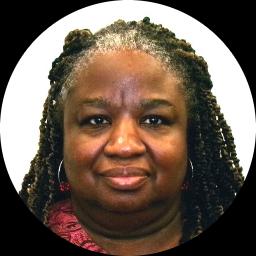
About Dionne
She uses person-centered work alongside cognitive behavioral strategies and Acceptance and Commitment Therapy to help people identify values, shift unhelpful thought patterns, and practice small, purposeful changes. Sessions emphasize listening, clear goals, and concrete tools clients can try between meetings. Dionne integrates her faith into her work when clients want that, while still supporting people who are not religious.
With 25 years in community mental health, she brings long experience in helping people recover from setbacks and build resilience. That experience includes supporting caregivers, people coping with compassion fatigue, and those wrestling with shame, guilt, or midlife transitions. She frames progress as steady steps rather than a single moment of change.
People who work with Dionne can expect straightforward conversation, reflective listening, and practical strategies for everyday problems. She helps clients explore attachment concerns, relationship strain, and career or life-purpose questions. Plans and steps are revisited as needs shift.
Dionne is based in Georgia and holds the credential CSW as well as LCSW. Sessions are conducted in English. To start, prospective clients complete a brief matching questionnaire and schedule sessions according to availability.
How these approaches shape online work
Acceptance and Commitment Therapy (ACT) focuses on clarifying what matters most and taking small actions that align with those values. It helps when anxiety, avoidance, or life changes make it hard to move forward. Client-Centered Therapy emphasizes empathetic listening and building a trusting working relationship so people feel heard and understood before making changes.Cognitive Behavioral Therapy (CBT) looks at the link between thoughts, feelings, and actions and teaches practical skills to interrupt unhelpful patterns. It is useful for worry, low mood, and managing strong emotions. Dionne blends these approaches to match a person's goals rather than sticking to a single model.
Choosing the right approach is part of the work together. The therapist will talk with each person about goals, preferences, and what has or hasn't helped before. That collaborative process guides which techniques are emphasized and how sessions are paced.
Check which online session formats are offered before booking, as formats are not specified in the biography. Online work can make it easier to fit therapy into a busy week, support shorter check-ins when schedules are tight, and reduce travel time. It also allows sessions to focus on skill practice and real-life problems people bring in between meetings.
Frequently asked questions
What concerns does Dionne focus on?
She supports people dealing with stress, anxiety, low self-esteem, depression, grief, addiction, trauma and abuse, and related issues such as caregiver stress and relationship strain.
What is her general therapeutic style?
She uses a person-centered approach with straightforward listening and goal-setting, helping clients identify values and take practical steps toward change.
How much experience does she have?
She has worked in community mental health for 25 years and has long experience supporting people through life transitions and crises.
What credentials and location are listed?
She holds the credentials LCSW and CSW and practices in Georgia.
Which languages are supported and are international clients accepted?
Sessions are offered in English. International clients are not currently accepted.
What session formats are available?
Please confirm current session options before booking, as the biography does not list specific formats.
How does pricing work?
Cost varies by location and therapist availability; sessions use a subscription that can be canceled at any time.
How do I get started with Dionne?
Select the Start Therapy button, complete a short matching questionnaire, and schedule according to the therapist's availability.