- Trauma and abuse focus
- Practical coping skills
- Evidence-based approaches
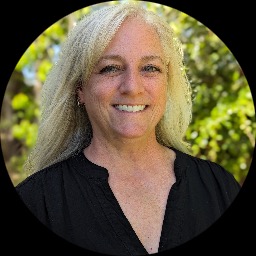
About Danyetta
She pulls from evidence-based therapeutic techniques to build coping skills and support recovery from post-traumatic stress. Sessions emphasize small, steady changes that fit into everyday life rather than sudden overhauls. Communication difficulties are addressed with clear, hands-on strategies clients can try between meetings.
Clients can expect a respectful, nonjudgmental space to talk through difficult memories and current challenges. The therapist focuses on understanding each person’s story before suggesting steps or techniques. Progress is tracked in concrete ways so clients can see what is helping them.
Danyetta uses her four years of clinical experience to balance empathy with practical problem solving. She helps people develop routines and skills that reduce overwhelm and improve daily functioning. Her aim is to support short-term relief and long-term resilience.
Therapy in this practice is tailored to individual goals and needs. People who want direct, evidence-informed guidance on stress, trauma and attention-related concerns may find this approach useful. The therapist works in English and practices in Florida.
Evidence-informed approaches and online therapy options
Many clients benefit from straightforward, evidence-based techniques that reduce symptoms and build skills. One common approach involves teaching practical coping skills for anxiety and stress, such as breathing techniques, activity scheduling, and step-by-step problem solving to lower daily overwhelm. Another focuses on recovery from trauma and post-traumatic stress by helping clients process difficult memories at a manageable pace and develop safety-focused routines to reduce reactivity.Choosing the right approach is a collaborative process. The therapist will work with each person to identify goals, try methods that match those goals, and adjust the plan based on what feels most helpful. Clients are invited to give feedback so sessions stay relevant and useful.
Confirm current session options before booking, as formats are not specified here. Online therapy can make it easier to fit sessions around work, school, or family obligations and can reduce travel time. Some formats may also allow shorter check-ins or telephone sessions when bandwidth or camera use is limited. Talk with the therapist during the matching and scheduling steps to find the session style that best fits daily life and treatment goals.
Frequently asked questions
What kinds of problems does this therapist help with?
She helps people facing stress, anxiety, depression, trauma and abuse, coping with life changes, and attention-related concerns such as ADHD.
What is the therapy style like?
Sessions are collaborative and practical, focusing on listening first and then trying techniques that fit daily life. The approach emphasizes clear steps clients can use between sessions.
How much clinical experience does she have?
The therapist has four years of clinical experience working with people on trauma-related and mood concerns.
What credential does the therapist hold and where does she practice?
She is a Licensed Mental Health Counselor, LMHC, practicing in Florida.
Which languages are supported for sessions?
Sessions are offered in English.
Can international clients work with this therapist?
International clients are not currently accepted.
How are fees handled and what about cancellation?
Cost varies with location and therapist availability, and sessions use a subscription that can be canceled at any time.
How do I begin if I want to work with this therapist?
Click the Start Therapy button, complete the short matching questionnaire, and schedule according to the therapist's availability.