- Focus on trauma
- Practical skill building
- Collaborative goal setting
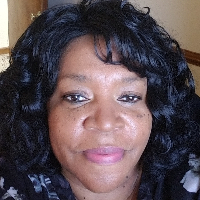
About Cora
She explains how thoughts, feelings, and actions connect and uses that to guide change. Her work often includes cognitive restructuring, behavioral activation, and relaxation techniques. Cora also uses motivational interviewing to support readiness for change and to build on each person’s own strengths.
Cora earned an undergraduate degree from East Carolina University and a master’s degree from North Carolina Central University. She brings about two decades of experience in clinical settings and private practice. That experience includes work with mood disorders, PTSD, addictions, and the challenges of parenting and career stress.
In sessions she tends to be direct and practical. Clients can expect to look at unhelpful thinking patterns and try small behavior changes. She also offers exercises to reduce physical tension and improve sleep and daily routines.
People seeking help for relationship strain, self-esteem concerns, grief, or life transitions will find an approach that pairs discussion with concrete steps. The goal is to make symptoms easier to cope with and to grow tools that fit everyday life.
How core approaches guide online work
CBT, or cognitive behavioral therapy, helps people spot unhelpful thoughts and try new behaviors to reduce distress and improve daily routines. It is useful for anxiety, depression, sleep problems, and challenges with focus or motivation.Motivational interviewing is a conversational approach that helps people find their own reasons to change. It is often used when someone feels stuck or ambivalent about steps like reducing substance use or improving health habits.
Trauma-focused therapy centers on gentle, structured ways to reduce the hold of traumatic memories and teach coping skills for triggers. It aims to help people feel more in control of reactions and daily functioning.
Choosing the right approach is a collaborative process. The therapist will work with the client to match methods to goals, preferences, and needs, and may combine elements over time as progress is reviewed.
The original biography does not list specific online session formats, so confirm current options before booking. Online work can make it easier to fit sessions into a busy life, avoid travel time, and have shorter check-ins on a busy day. Some formats also reduce bandwidth needs or let people choose whether to be on camera, which helps sessions fit different routines and comfort levels.
Frequently asked questions
What concerns does she help address?
She works with stress, anxiety, depression, trauma and abuse, anger, addictions, grief, eating and sleeping issues, self-esteem, career problems, bipolar symptoms, ADHD, and intimacy-related or relationship concerns.
What is her general therapeutic style?
Her style is practical and collaborative. She combines cognitive-behavioral methods with motivational interviewing and focused trauma work to help people try small changes and build momentum.
How much clinical experience does she have?
She has about 20 years of experience in clinical settings and private practice, including work with PTSD, addictions, and mood disorders.
What credentials and location are listed?
She holds the LCMHC credential for North Carolina and practices in that state.
Are sessions available in languages other than English?
Sessions are offered in English. International clients are accepted.
What session formats are offered?
The original biography does not list specific session formats. Confirm current session options with the service before booking.
How is payment handled?
Costs vary with location and therapist availability. Sessions use a subscription that can be canceled at any time.
How do I begin therapy?
Use the Start Therapy button, complete a short matching questionnaire, and then schedule according to the therapist’s availability.