- Trauma informed approach
- Skill building focus
- Client-centered care
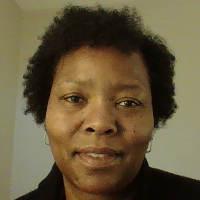
About Connie
Connie uses a mix of methods to match each person's needs. She leans on cognitive behavioral ideas to identify patterns that keep problems going. She pairs that with a client-centered stance that focuses on listening and making people feel heard.
Motivational interviewing shows up when someone is working through substance use or big behavior changes. Solution-focused techniques are used to set small, doable goals and track progress between sessions. Trauma-focused work guides conversations when past harm is part of the picture.
Connie has three years of documented practice as an LPC in Georgia. She adjusts the pace and tools to what each person needs rather than following a rigid plan. Sessions are practical and aim to build skills that carry into everyday life.
If you want a therapist who balances listening with clear strategies, she can help you map next steps. The process starts with a short questionnaire and scheduling. From there she works with you to set goals and try approaches that fit your life.
How Connie Uses Therapy Approaches Online
Connie often combines client-centered work with cognitive behavioral techniques to help people make practical changes. Client-centered Therapy focuses on listening, empathy, and creating a nonjudgmental space so clients can name what matters most. Cognitive Behavioral Therapy (CBT) looks at thoughts and behaviors that keep problems going and teaches clear tools to change them.She also draws on Trauma-Focused Therapy when past hurt affects current wellbeing. That approach gently addresses how traumatic events influence feelings and reactions and supports learning new coping strategies for daily life.
Finding the right mix of approaches is part of the work. Connie collaborates with each person to decide which methods feel useful and to adjust the plan as goals change. She treats the choice of approach as a shared decision informed by needs, goals, and preferences.
If you are considering online therapy, confirm the current session options before booking. Online care can make it easier to fit sessions into a busy schedule, allow shorter check-ins when a full appointment is not possible, or remove the need to travel. Talk with the therapist during intake about how best to structure sessions to match your routine and goals.
Frequently asked questions
What concerns does Connie work with?
She helps people with stress, anxiety, addictions, anger, self-esteem, depression, relationship strain, family-related concerns, trauma and abuse, grief, bipolar mood concerns, coping with life changes, and ADHD.
What is her therapy style like?
Her style is client-centered and practical. She uses clear, goal-focused techniques and listens first to tailor the work to each person.
What is her professional background?
Connie has three years of documented experience as a licensed professional counselor working in mental health and substance use areas.
Where is Connie licensed and located?
She holds an LPC credential and practices in the state of Georgia.
In what languages can sessions be held?
Sessions are offered in English.
Can people outside the U.S. work with her?
She does not accept international clients at this time.
How are sessions scheduled and paid for?
Cost varies with location and therapist availability; sessions use a subscription that can be canceled at any time.
How do I begin if I want to see her?
Use the Start Therapy button, complete a short matching questionnaire, and then schedule a time based on therapist availability.