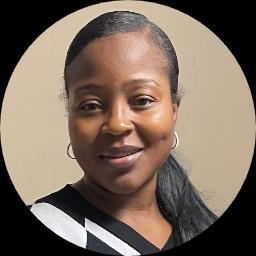
- Client-centered approach
- Trauma and abuse support
- 15 years experience
About Chrissy
She has supported people dealing with depression, anxiety, anger, and relationship challenges. She also helps those affected by substance use and dual diagnosis, and people coping with grief or major life changes. Chrissy has particular experience with trauma and abuse, including domestic violence and physical or emotional trauma.
Sessions are collaborative and tailored to the individual. Chrissy uses cognitive-behavioral ideas to change unhelpful thinking and behavior. She also draws on dialectical behavior strategies and mindfulness to teach emotional regulation and present-moment focus.
Her nursing background informs a practical perspective on chronic illness, caregiver stress, and medical concerns that affect mood and function. She emphasizes strengths and builds on what a person already does well when facing challenges like addiction, ADHD, or eating concerns.
Chrissy aims to create a space where people feel respected and heard. She frames therapy as a partnership that matches techniques to each person’s needs. When someone is ready to begin, she helps them set goals and stay motivated through the changes they want to make.
How therapeutic approaches guide online work
Client-centered therapy focuses on listening and building a respectful, collaborative relationship. The therapist follows the person’s lead, reflects concerns, and helps set goals that feel meaningful. This approach helps when people want support that honors their own perspective.Cognitive Behavioral Therapy, or CBT, uses practical exercises to notice and change unhelpful thoughts and behaviors. It is useful for anxiety, depression, and stress by breaking problems into manageable steps and tracking progress.
Dialectical Behavior Therapy, or DBT, offers skills for regulating emotions, tolerating distress, and improving communication. These skills can help with intense emotions, impulsive behaviors, and relationship strain.
Finding the right approach is part of the process. The therapist will work together with each person to choose methods that match their needs, goals, and preferences. That choice can shift over time as progress is made and priorities change.
Confirm the specific session formats before booking, as options are not listed here. Online therapy can make it easier to fit sessions into a busy week, reduce travel time, and allow shorter check-ins when needed. It can also let someone use video or phone options depending on what works best for focus, schedule, and comfort. Licensed professionals and therapists adapt techniques to the online setting so sessions remain practical and goal-oriented.
Frequently asked questions
What kinds of problems does Chrissy address?
She works with a wide range of concerns including depression, anxiety, anger, addictions, relationship problems, grief, and trauma and abuse.
What is her therapy style like?
Her style is client-centered and interactive. Sessions focus on conversation, goal-setting, and practical strategies tailored to each person.
How much experience does she bring?
She has 15 years of experience as a professional counselor and prior work as a registered nurse, which informs her clinical perspective.
What credentials and location are listed?
She is a licensed professional counselor - LPC - licensed in South Carolina and practices there.
Which languages are supported for sessions?
Sessions are offered in English.
Can I work with her from another country?
She is not currently accepting international clients.
How are fees and payment handled?
Cost varies with location and therapist availability; sessions use a subscription that can be canceled at any time.
What are the first steps to begin therapy?
Use the Start Therapy button, complete a short matching questionnaire, and then schedule sessions according to the therapist's availability.