- Trauma aware
- Strengths based
- Goal oriented
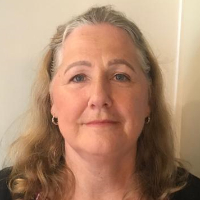
About Cheryl
Dr. Mansfield focuses on clear, achievable steps rather than jargon. She helps clients notice how stress shows up in their lives and teaches coping skills to lessen that intensity. Sessions often include problem-solving, skills practice, and checking what works between meetings.
She blends several well-known methods to match each person’s needs. Cognitive behavioral ideas are used to spot and change unhelpful thoughts and behaviors. Client-centered work creates space for people to talk and feel heard. Solution-focused strategies keep the work forward-looking and goal oriented.
Her background includes outpatient, hospital, and military settings, which shaped a flexible, practical style. She emphasizes people’s strengths and aims for long-lasting, efficient relief rather than quick fixes. The tone in sessions is warm and supportive while staying focused on real change.
Dr. Mansfield also brings attention to issues like parenting stress, caregiver strain, blended family challenges, first responder concerns, and adoption or foster care topics. She works with individuals and couples to address these life pressures and rebuild a more steady daily routine.
Approaches that guide online work
Dr. Mansfield commonly uses client-centered methods and cognitive behavioral techniques to guide sessions. Client-centered Therapy focuses on listening, empathy, and helping people feel understood so they can explore what they need and make choices that fit their life. Cognitive Behavioral Therapy (CBT) helps identify unhelpful thoughts and habits and replaces them with practical behaviors that reduce anxiety, depression, and stress.She also uses solution-focused ideas to keep sessions goal oriented and action focused, helping people build small, achievable steps toward change. Finding the right mix of approaches usually happens together in the first few sessions. She will work collaboratively to match methods to a person’s goals, needs, and preferences rather than insisting on a single style.
If you are considering online therapy, confirm which session formats are available before booking because the biography does not list them. Many people find online work helps fit therapy into busy days, makes scheduling easier across locations, and allows quicker check-ins when needed. Online sessions can also support quieter, focused conversations or shorter problem-solving visits that fit a lunch break or a transition in the day.
Frequently asked questions
What kinds of concerns does she help with?
She supports people facing stress, anxiety, depression, trauma and abuse, relationship and intimacy issues, addiction, grief, and caregiver fatigue among other related concerns.
How would you describe her therapeutic style?
Her style is warm and practical. She listens first, then helps clients set clear goals and practice skills they can use between sessions.
What experience does she bring to therapy?
She has over 20 years working in outpatient clinics, hospitals, and military settings, which informs a flexible, real-world approach to care.
What are her credentials and where is she located?
She holds the credentials LICSW and LCSW and practices in Virginia with licensure listed as DC LICSW and VA LCSW.
Which languages are sessions offered in?
Sessions are offered in English and she accepts international clients.
What session formats are used?
The original biography does not specify session formats; please confirm current session options with the platform before booking.
How does payment and cost work?
Cost varies with location and therapist availability; sessions use a subscription that can be canceled at any time.
How do I begin working with her?
Click the Start Therapy button, complete a short matching questionnaire, and schedule according to therapist availability.