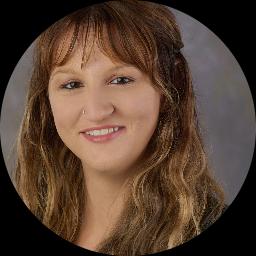
- Warm direct support
- Goal oriented work
- Evidence informed tools
About Chelsey
In sessions she listens first, then works with each person to set clear, manageable goals. She draws on client-centered methods to follow what matters most to the individual. Cognitive Behavioral Therapy tools are used to identify unhelpful thinking patterns and to try small experiments that can change daily routines.
Dialectical Behavior Therapy skills and mindfulness practices show up when people need help with strong emotions or impulsive reactions. Solution-focused techniques are used to find practical steps that move a person toward what they want sooner rather than later. Chelsey blends these approaches to match each person's needs rather than sticking to one fixed method.
With five years of experience, she has helped people work through grief, relationship strain, life changes, and mood concerns. She also supports those dealing with identity questions, body image, fertility and pregnancy-related stress, and aging issues. Chelsey emphasizes steady progress and realistic next steps.
Her style is warm and straightforward. She invites questions about the process and partners with clients to track changes and adjust the plan as needed.
How her chosen approaches translate to online work
Client-Centered Therapy focuses on listening and following what matters to the person. Online sessions can still provide that space for someone to talk, reflect, and set goals. Cognitive Behavioral Therapy involves identifying thought patterns and trying small behavioral experiments; online meetings can be used to review homework, practice skills, and adjust plans between sessions.Finding the right approach is part of the work. Chelsey will collaborate with each person to decide whether CBT, DBT skills, mindfulness, or solution-focused steps fit best. She tailors the plan to the client's goals, needs, and preferences rather than applying one fixed method.
The biography does not list specific session formats, so confirm available options before booking. Many people find online sessions make it easier to fit therapy into a busy day, allow shorter check-ins when needed, and reduce travel time. Talk with the therapist about scheduling, how you want to use sessions, and what kind of follow-up or practice will help you make steady progress.
Frequently asked questions
What concerns does this therapist address?
Chelsey works with stress, anxiety, trauma and abuse, depression, self-esteem issues, and related concerns such as grief, ADHD, and mood disorders.
What is her general approach in session?
She uses a client-centered style that listens first and then sets practical goals, combining CBT, DBT, mindfulness, and solution-focused techniques as needed.
What background and experience does she bring?
She has five years of professional experience working with people on anxiety, motivation, self-esteem, trauma, and depression.
What credentials and location are listed?
She holds LPC and LCMHC credentials and practices in North Carolina. The listings note SC LPC and NC LCMHC.
Which languages are offered and can international clients join?
Sessions are offered in English. International clients are not currently accepted.
What session formats are available?
The original biography does not specify session formats; please confirm current session options before booking to know whether in-person or online meetings are offered.
How does pricing work for sessions?
Cost varies with location and therapist availability; sessions use a subscription that can be canceled at any time.
How do I begin working with her?
To start, select the Start Therapy button, complete a short matching questionnaire, and schedule according to therapist availability.