- Trauma aware
- Goal focused
- Nonjudgmental care
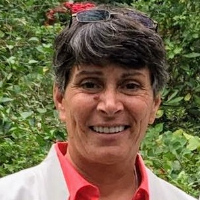
About Charlotte
In session she keeps things straightforward and collaborative. She listens first, then works with each person to build a plan that fits their life. That plan can include helping with coping skills for anxiety, strategies to manage impulsivity, or support through addiction and relapse concerns.
Charlotte has worked in a variety of treatment settings and with people facing depression, PTSD, opiate and alcohol dependency, domestic violence, homelessness, emotional abuse, and dual diagnoses. She often supports those struggling with low self-esteem, anger, isolation, grief, and the stress of life changes.
Her approach draws on Client-Centered Therapy, Cognitive Behavioral Therapy, Motivational Interviewing, and Solution-Focused Therapy. She emphasizes the counseling relationship and uses practical techniques rather than confrontation.
Clients can expect a strengths-based, person-centered style that focuses on real-world steps and measurable progress. Charlotte aims to help people identify small changes that add up to better coping and more control over day-to-day challenges.
How therapeutic approaches guide online care
Many of Charlotte's methods focus on practical change and clear steps. Cognitive Behavioral Therapy (CBT) helps people notice unhelpful thoughts and try small behavior changes to reduce anxiety or depression. Client-Centered Therapy focuses on listening, acceptance, and letting the client's goals guide the work. Motivational Interviewing supports people who want to change habits by exploring their own reasons and building motivation.Finding the right mix of these approaches is part of the work together. The therapist will talk with each person about goals and preferences and then try approaches that fit, adjusting over time based on what helps most. This is a collaborative process where the client helps shape the plan.
The original biography does not list specific online formats, so please confirm the available session types before booking. Online therapy can make it easier to fit sessions into a busy day, reduce travel time, or allow a shorter check-in when schedules are tight. It can also let someone choose a quieter place or avoid being on camera when that feels better. Licensed professionals can use these options to help people practice new skills and manage stress from everyday life without promising a particular outcome.
Frequently asked questions
What kinds of concerns does this therapist help with?
Charlotte works with common concerns such as stress, anxiety, depression, trauma and abuse, grief, addictions, eating concerns, bipolar mood issues, ADHD, anger, low self-esteem, and coping with life changes.
How would you describe the therapy style and approach?
The approach is collaborative and person-centered, using techniques from Client-Centered Therapy, Cognitive Behavioral Therapy, Motivational Interviewing, and Solution-Focused Therapy to address practical problems and goals.
What is the therapist's background and experience?
She is a Licensed Mental Health Counselor with 15 years of experience working in a range of treatment settings and with people facing addictions, PTSD, depression, and co-occurring diagnoses.
Where is the therapist licensed and based?
Charlotte holds the MA LMHC credential and practices in Florida as an LMHC.
Can I work with this therapist in languages other than English?
Sessions are offered in English; international clients are not currently accepted.
What session formats are available?
The biography does not specify session formats. Please confirm current session options before booking to ensure they meet your needs.
How are sessions priced or billed?
Cost varies with location and therapist availability; sessions use a subscription that can be canceled at any time.
How do I get started if I want to work with this therapist?
Use the Start Therapy button, complete a short matching questionnaire, and then schedule according to the therapist's availability.