- Client-centered
- Mindfulness-based
- CBT strategies
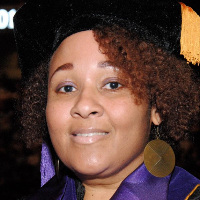
About Chantell
Her background spans clinical work with mood disorders, grief, addictions, ADHD, and trauma-related concerns. She has helped people coping with life changes, career stress, intimacy issues, and compassion fatigue. Those seeking support for eating or sleeping problems, anger, or self-esteem may also find relevant help.
In sessions she adapts methods to each person's needs rather than following one fixed plan. Her stated approaches include client-centered work, cognitive behavioral strategies, mindfulness practices, motivational interviewing, and trauma-focused care. Expect a blend of talking, practical skill building, and mindfulness exercises when appropriate.
Dr. Scott emphasizes collaboration and respects each person’s pace. She avoids stigmatizing labels and focuses on clear goals that feel useful in daily life. Progress is shaped by regular check-ins and adjustments to the plan.
People interested in starting can use the site's Start Therapy flow to match and schedule. Sessions use a subscription model that can be canceled at any time, and services are provided in English in Georgia.
How therapeutic approaches translate to online care
Client-centered therapy puts your goals and preferences first. The therapist listens closely and shapes sessions around what matters to you, helping you set realistic steps and tracking progress over time.Cognitive Behavioral Therapy (CBT) focuses on identifying unhelpful thoughts and changing patterns of behavior. CBT is often used for anxiety, depression, stress, and problems with sleep or daily routines through practical exercises and homework.
Mindfulness therapy teaches simple attention and breathing practices to reduce reactivity and improve emotional regulation. These practices can help with anxiety, anger, and coping after trauma.
Finding the right approach is part of the work. The therapist will collaborate with you to try methods that match your needs, goals, and comfort level, and will adjust the plan as you go. You and the therapist decide together what tools to keep or change.
Session format details are not listed in the biography, so confirm current online options before booking. In general, online sessions can make it easier to fit therapy into a busy day, allow for shorter check-ins when needed, and remove travel time. They can also let people use practices like guided breathing or worksheets during the session to reinforce skills learned in talk therapy.
Frequently asked questions
What concerns does this therapist address?
She helps people with stress, anxiety, depression, relationship and parenting challenges, trauma and abuse, grief, addictions, ADHD, and related concerns.
What is her general therapeutic style?
Her style is warm and interactive. She focuses on respect, sensitivity, and practical steps that fit each person’s life.
How long has she worked in mental health?
She has 15 years of experience working in the mental health field.
What are her credentials and location?
She holds the LPC credential and practices in Georgia.
Which languages are supported for sessions?
Sessions are offered in English, and international clients are not accepted at this time.
What session formats are available?
Session formats are not specified in the biography. Confirm current session options before booking to make sure they fit your needs.
How does billing and cost work?
Cost varies with location and therapist availability; sessions use a subscription that can be canceled at any time.
How do I begin if I want to work together?
Use the Start Therapy button, complete a short matching questionnaire, and schedule according to the therapist's availability.