- Trauma and abuse
- Anxiety and depression
- Individualized goals
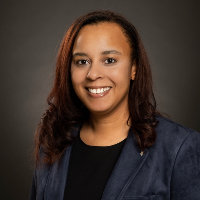
About Alisha
She commonly supports people facing depression, anxiety, trauma and abuse, and substance use concerns. She also helps with relationship issues, grief, coping with life changes, and struggles with sleep or eating. Her practice includes attention to stress, parenting challenges, self-esteem, anger, career questions, and neurodiversity concerns such as ADHD.
Sessions focus on building an individualized plan driven by the person's goals. The therapist uses practical tools selected to fit each person's needs and pace. Conversations emphasize understanding thoughts, feelings, and behaviors, then trying specific steps to make daily life more manageable.
Her approach is empathetic and client-centered, with a goal of creating an affirming, nonjudgmental space. Clients are invited to set short-term and longer-term goals and adjust them as needed. Progress is measured by the changes people notice in how they cope and relate to others.
Asking for help is a brave step, and she aims to make the first sessions straightforward and focused. People interested in beginning are encouraged to reach out and complete the initial matching steps to schedule a session.
Evidence-based strategies and online care
Alisha uses evidence-based therapeutic techniques that focus on practical change. One common approach she uses helps people identify unhelpful patterns of thinking and then try new ways of responding in daily situations; this approach is useful for anxiety and depression. Another technique focuses on building skills for coping with strong emotions and stress, teaching concrete steps people can use when they feel overwhelmed; this is often helpful for trauma-related symptoms and anger.Finding the right approach is a collaborative process. She works with each person to choose methods that match their goals, preferences, and pace. Together they set individualized goals and adjust strategies as progress is made.
Confirm current session options before booking, as formats are not specified in the biography. Online therapy can make it easier to fit sessions into a busy life, reduce travel time, and allow shorter check-ins when needed. It can also make scheduling around work or caregiving easier and let people meet with a licensed professional from different locations within the therapist's permitted region.
Frequently asked questions
What concerns does this therapist commonly address?
She works with stress, anxiety, depression, trauma and abuse, substance use, relationship issues, grief, parenting challenges, sleep and eating struggles, self-esteem, anger, career concerns, bipolar disorder, ADHD, compassion fatigue, and LGBT-related issues.
What is the therapy style like?
The approach is client-centered and empathetic. Sessions focus on identifying strengths, setting client-directed goals, and using practical tools that fit each person.
How much experience does she have?
She has worked in counseling for 11 years, supporting people from diverse backgrounds with a wide range of concerns.
What credentials and location should I know about?
She holds LPC and LPCC credentials and practices in Ohio.
Which languages are sessions offered in?
Sessions are offered in English.
Can people outside the U.S. work with this therapist?
International clients are not currently accepted.
How are sessions scheduled and what does cost look like?
Cost varies with location and therapist availability; sessions use a subscription that can be canceled at any time.
What are the first steps to begin therapy?
Click the Start Therapy button, complete a short matching questionnaire, and schedule according to the therapist's availability.