- Trauma-informed support
- Goal-focused sessions
- Practical coping skills
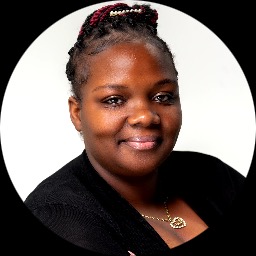
About Abigail
She uses a partnership approach in sessions. Abigail listens first and follows the client’s lead to set priorities. Then she uses focused strategies to move toward practical goals that matter to the person in front of her.
Her experience includes supporting people connected to the foster care and adoption systems. She has also worked with caregivers and older adults facing end-of-life decisions and the stresses that come with serious illness. That background informs how she talks about caregiving, family changes, and loss.
Abigail blends client-centered work with solution-focused techniques and cognitive behavioral tools. She draws on trauma-focused methods when past harm affects current life. Sessions aim to identify small, doable changes and to build skills people can use between meetings.
People seek her help for a wide range of concerns beyond trauma, including parenting stress, career transitions, compassion fatigue, codependency, fertility-related strain, and communication problems. She frames each plan around the client’s goals and practical needs.
To begin, clients complete a short matching questionnaire and then schedule based on the therapist’s availability. Abigail works in English and practices as an LCSW in Florida.
How her approaches guide online work
Client-Centered Therapy focuses on listening and following each person’s lead. The therapist helps the person name what matters most and steers sessions by the client’s goals. Cognitive Behavioral Therapy, or CBT, looks at how thoughts and behaviors affect mood and stress. It includes simple exercises people can practice between sessions to reduce anxiety or challenge unhelpful thinking.Choosing the right approach is a collaborative process. The therapist will talk with the client about goals, preferences, and what has or hasn’t worked before. Together they decide whether to emphasize supportive listening, skill-building work, or trauma-focused strategies based on the client’s needs.
Because session formats are not specified in the biography, confirm current options before booking. Online work can make it easier to fit therapy into a busy day, provide a quieter environment when needed, or allow short check-ins that suit a work break. It also lets people use tools learned in session right away in their daily life. Licensed professionals adapt methods like CBT and solution-focused techniques to the online setting so clients can practice skills between meetings and track progress over time.
Frequently asked questions
What kinds of concerns does Abigail help with?
She supports people dealing with trauma and abuse, stress and anxiety, grief, relationship and intimacy issues, and mood concerns such as depression and bipolar disorder.
What is her general therapy style?
Her style is collaborative and client-centered. She listens first, follows the client’s priorities, and then works toward practical solutions together.
How much clinical experience does she have?
Abigail has five years of post-licensure experience as an LCSW and additional prior work supporting people in foster care, adoption, and end-of-life settings.
What credential does she hold and where is she based?
She is a Licensed Clinical Social Worker, LCSW, licensed in Florida and practices there.
Which languages are sessions offered in?
Sessions are offered in English.
Can people living outside the United States work with her?
She does not accept international clients at this time.
How does payment and cost work?
Cost varies by location and therapist availability; sessions use a subscription that can be canceled at any time.
How do I begin working with her?
Start by clicking the Start Therapy button, complete a short matching questionnaire, and then schedule according to the therapist’s availability.