- Trauma-aware care
- Goal-focused work
- Client-centered approach
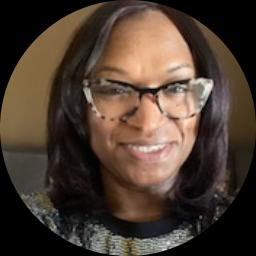
About Yasmina
She creates a space where thoughts and feelings can be named and worked through. Sessions emphasize what is useful now - clearer communication, better routines, and manageable coping tools. She supports people coping with depression, bipolar mood changes, impulsivity, and concerns about self-worth or life purpose.
Yasmina uses client-centered methods to follow each person's pace and priorities. She also draws on cognitive behavioral tools to identify unhelpful thinking patterns and solution-focused techniques to set short-term goals. For those affected by sexual assault or other abuse, trauma-focused work guides recovery one step at a time.
Her style is down-to-earth and collaborative. She listens first, then helps people try small changes between sessions to test what works. The work is practical and respectful of each person's situation.
Yasmina brings about 10 years of clinical experience in community and clinical settings. She practices in Maryland and offers services in English. To begin, people complete a short questionnaire and schedule sessions based on her availability.
Approaches used in online therapy and how they help
Client-Centered Therapy focuses on listening and following each person's pace. It helps people feel heard and choose goals that fit their life. Cognitive Behavioral Therapy, or CBT, looks at how thoughts, feelings, and behaviors connect and teaches practical ways to reduce anxiety, manage mood, and change unhelpful patterns.Choosing the right approach is part of the work. The therapist will talk with the client about needs, goals, and personal preferences and together decide which methods to try first. That collaborative process is ongoing and can be adjusted as progress is made.
Confirm the current online session options before booking since formats are not specified here. Online therapy can make it easier to fit sessions into a busy week and reduce travel time. It can also allow shorter check-ins when schedules are tight or let someone avoid being on camera if that feels better. Licensed professionals can adapt these approaches to work effectively in remote appointments, with a focus on practical strategies you can use between sessions.
Frequently asked questions
What concerns does Yasmina help with?
She helps people with family conflict, trauma and abuse, parenting stress, ADHD, anxiety, depression, bipolar mood issues, and relationship problems.
What is her therapeutic style like?
Her style is client-centered and down-to-earth. She listens carefully and works collaboratively to try practical changes between sessions.
How much clinical experience does she have?
She has about 10 years of professional clinical experience working in community and clinical settings.
What are her credentials and where is she based?
She is an LCPC licensed in Maryland and practices there.
Which languages are supported for sessions?
Sessions are offered in English.
Can people outside the United States work together with her?
She does not accept international clients at this time.
How does payment and cost work?
Cost varies with location and therapist availability; sessions use a subscription that can be canceled at any time.
How do I begin working with her?
Use the Start Therapy button, complete a short matching questionnaire, and schedule sessions according to her availability.