- Trauma aware
- Practical tools
- Relationship focus
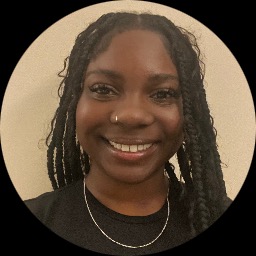
About Tajanay
She works in a collaborative way, treating each person as the expert on their own life. Sessions focus on clear goals and small steps that build confidence. Tajanay draws on practical tools that can be used between meetings to manage symptoms and improve day-to-day functioning.
Her approach mixes structured skills work with attention to emotions and connection. She uses Cognitive Behavioral Therapy to identify unhelpful thinking patterns and Dialectical Behavior Therapy skills to improve emotion regulation. Emotionally-Focused Therapy ideas guide work on relationships and connection, while mindfulness and motivational interviewing help with focus and finding personal motivation.
Over seven years of practice, she has supported people through difficult transitions such as divorce, infidelity, and the fallout from domestic violence. She also addresses concerns about body image, eating and food-related issues, and non-traditional relationship styles including polyamory and kink-informed topics.
Tajanay is licensed in North Carolina and Hawaii and holds an LCSW credential. She offers straightforward, respectful care that centers the client’s goals and values.
Approaches you can expect in online sessions
Many clients work with Cognitive Behavioral Therapy to notice and change unhelpful thoughts and behaviors. CBT gives concrete exercises to practice between sessions and can help with anxiety, depression, and stress.Dialectical Behavior Therapy offers practical skills for handling intense emotions and improving distress tolerance. DBT techniques include grounding, emotion regulation, and ways to improve interpersonal effectiveness.
Finding the right approach is a collaborative process. The therapist will talk with each person about goals, preferences, and what has or hasn't helped in the past. Together they decide which methods to emphasize and adjust the plan as progress happens.
Confirm session options before booking so you know which formats are offered. Online therapy can make it easier to fit appointments into a busy week, reduce travel time, and allow shorter check-ins when needed. It also lets people use mindfulness and skills practice in real-life settings between meetings, which helps translate work from sessions into daily routines.
Frequently asked questions
What concerns does she commonly help with?
She supports people with stress, anxiety, trauma and abuse, depression, relationship issues, and coping with life changes. Additional areas include body image, eating issues, and non-monogamous or kink-related concerns.
What is her therapeutic style like?
Her style is collaborative and goal-oriented. She uses clear, practical tools and mixes skills practice with attention to emotions and relationship patterns.
How much clinical experience does she have?
She has seven years of professional experience working with people on a range of concerns, including trauma, relationship problems, and life transitions.
What credentials and region are listed?
She holds an LCSW and is licensed in North Carolina and Hawaii. Her practice information lists North Carolina as a location.
Which languages are offered for sessions?
Sessions are offered in English.
Can international clients work with her?
International clients are not currently accepted.
How are fees and payment handled?
Cost varies with location and therapist availability; sessions use a subscription model that can be canceled at any time.
How do I begin the process?
To get started, select the Start Therapy button, complete a short matching questionnaire, and then schedule based on the therapist's availability.