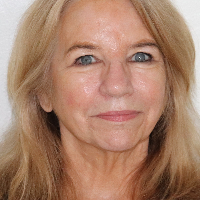
About Phyllis
Her career has included counseling people facing substance use, helping survivors of abuse, and supporting those with serious mental health diagnoses. She has also worked with military veterans and active duty service members and their family members earlier in her practice. This wide background has shaped an adaptable way of working with different concerns.
Phyllis uses an eclectic approach that stays kind and respectful. She leans on methods such as cognitive behavioral techniques, attachment-informed ideas, and emotionally focused work to fit what a person needs. She emphasizes hope and practical steps rather than long lists of jargon.
In sessions she listens for what matters most to each person. She focuses on communication problems, relationship strains, stress, anxiety, grief, depression, trauma and abuse, and issues with addictions. She also supports people around LGBT and family-related concerns.
Phyllis helps people build small, doable changes that add up over time. She works with clients to set clear goals and practices that can be used outside the therapy room. Her aim is to help people move toward the life they imagine, one steady step at a time.
How therapeutic approaches translate to online work
Acceptance and Commitment Therapy (ACT) helps people notice painful thoughts without being driven by them. It focuses on values and small actions that move a person toward what matters. Cognitive Behavioral Therapy (CBT) looks at thinking and behavior patterns and teaches practical skills to reduce anxiety, depression, and stress. Emotionally-Focused Therapy (EFT) centers on emotional experiences in relationships and helps people name and shift interaction patterns that cause distress.Finding the right approach is part of the work. Phyllis will collaborate with each person to choose methods that match their goals and preferences. She checks in about what is helping and adjusts the plan as needed so therapy fits the individual, not the other way around.
The biography does not list which session formats are currently offered, so confirm available online options before booking. Online sessions can make it easier to fit therapy into a busy life - they can reduce travel time, allow a shorter check-in when needed, and help people work therapy into a lunch break or between appointments. Licensed professionals adapt tools and exercises used in ACT, CBT, and EFT so conversations and homework remain practical and useful even when meeting remotely.
Frequently asked questions
What concerns does Phyllis help with?
She helps people with stress, anxiety, relationship challenges, trauma and abuse, grief, depression, addictions, LGBT issues, and family concerns. Communication problems are also a focused area.
What is her therapy style like?
Her style is eclectic, warm, and hopeful. She uses practical strategies and listens for what matters to each person.
How long has she practiced?
She has practiced for 30 years, bringing experience from many different clinical settings and client concerns.
What credentials does she hold and where does she practice?
She holds LMFT and LMHC credentials and practices in Florida as FL LMFT and FL LMHC.
In which languages are sessions available?
Sessions are offered in English and international clients are accepted.
Which session formats are offered?
The original biography does not list specific session formats. Confirm the current session options with the therapist before booking.
How are sessions priced?
Cost varies with location and therapist availability, and sessions use a subscription that can be canceled at any time.
How do I begin working with her?
Use the Start Therapy button and complete a short matching questionnaire. Then schedule sessions according to therapist availability.