- Practical coping strategies
- Trauma and abuse support
- Goal focused
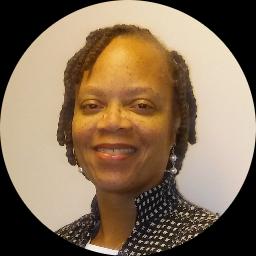
About Doris
Doris approaches sessions with respect, sensitivity, and compassion. She adapts conversations and plans to each person's situation instead of using a one-size-fits-all method. That means sessions may include goal-setting, talking through troublesome patterns, and finding small, realistic changes to try between meetings.
She uses several therapeutic tools so the work can match what a person needs. Some sessions center on examining thoughts and behaviors, while others emphasize present-moment listening and building skills to cope. When trauma or painful memories are involved, Doris draws on methods that aim to reduce their impact on everyday life.
Doris encourages a collaborative relationship. She supports people as they set goals and choose steps that feel right for them. Progress is usually steady but practical, and she helps clients notice changes as they go.
Clients are invited to describe what feels hardest now so a clear plan can be created together. Doris works to make therapy understandable and usable, so people can carry what they learn into their daily routines.
Approaches you can use online
Doris commonly uses Client-Centered Therapy and Cognitive Behavioral Therapy, and she also draws on EMDR for trauma-related work. Client-Centered Therapy involves listening carefully and reflecting what matters to you so the conversation follows your needs; it helps people feel heard and understood. Cognitive Behavioral Therapy looks at how thoughts and behaviors interact and teaches practical skills to change unhelpful patterns; it is often used for anxiety, depression, and stress management. Eye Movement Desensitization and Reprocessing is used when past traumatic memories are causing ongoing distress and aims to reduce how strongly those memories affect daily life.Finding the right approach is part of the work. The therapist and client decide together which methods to try based on personal goals, symptoms, and preferences. Doris will explain options and adjust the plan if something does not feel like the right fit.
Online therapy can make it easier to fit sessions into a busy life and to keep regular momentum between meetings. It can allow shorter check-ins, easier scheduling around work, and the ability to join from different locations when needed. Confirm the session formats offered before booking so you know what schedule and setup will be used.
Frequently asked questions
What concerns does Doris help with?
She helps with stress, anxiety, trauma and abuse, grief, depression, and coping with life changes. Other focuses include communication problems, life purpose, money and financial issues, self-love, and workplace issues.
How would you describe her therapy style?
Her style is collaborative and respectful. She tailors conversations and plans to each person's needs and focuses on practical steps people can use between sessions.
How much experience does she bring?
Doris has eight years of professional work experience supporting people through stress, anxiety, trauma, grief, depression, and life transitions.
What credentials and region are listed for this therapist?
She holds LPCC and LPC credentials and is licensed in Ohio and Georgia, with practice noted in Ohio.
Which languages are supported for sessions?
Sessions are offered in English.
Can international clients work with her?
She is not currently accepting international clients.
How are session costs handled?
Cost varies with location and therapist availability, and sessions use a subscription that can be canceled at any time.
What are the steps to begin working together?
Use the Start Therapy button, complete a short matching questionnaire, and schedule according to therapist availability.